
Understanding Freight Regulations in Texas: What You Need to Know
EC
Freight regulations in Texas are a critical aspect of the transportation and logistics industry. Understanding these regulations is essential for businesses that rely on the movement of goods across the state. This guide provides an overview of the key regulations and what you need to know to ensure compliance.
Overview of Texas Freight Regulations
The Texas Department of Transportation (TxDOT) oversees the regulations for freight transportation within the state. These regulations are designed to ensure safety, efficiency, and compliance with federal standards. Staying informed about these regulations can help avoid legal issues and fines.

Weight and Size Limits
Understanding the Basics
One of the primary concerns in freight transportation is adhering to weight and size limits. In Texas, these limits are set to prevent damage to infrastructure and ensure road safety. The maximum weight limit for a standard truck is typically 80,000 pounds, but specific routes may have different restrictions.
Special Permits
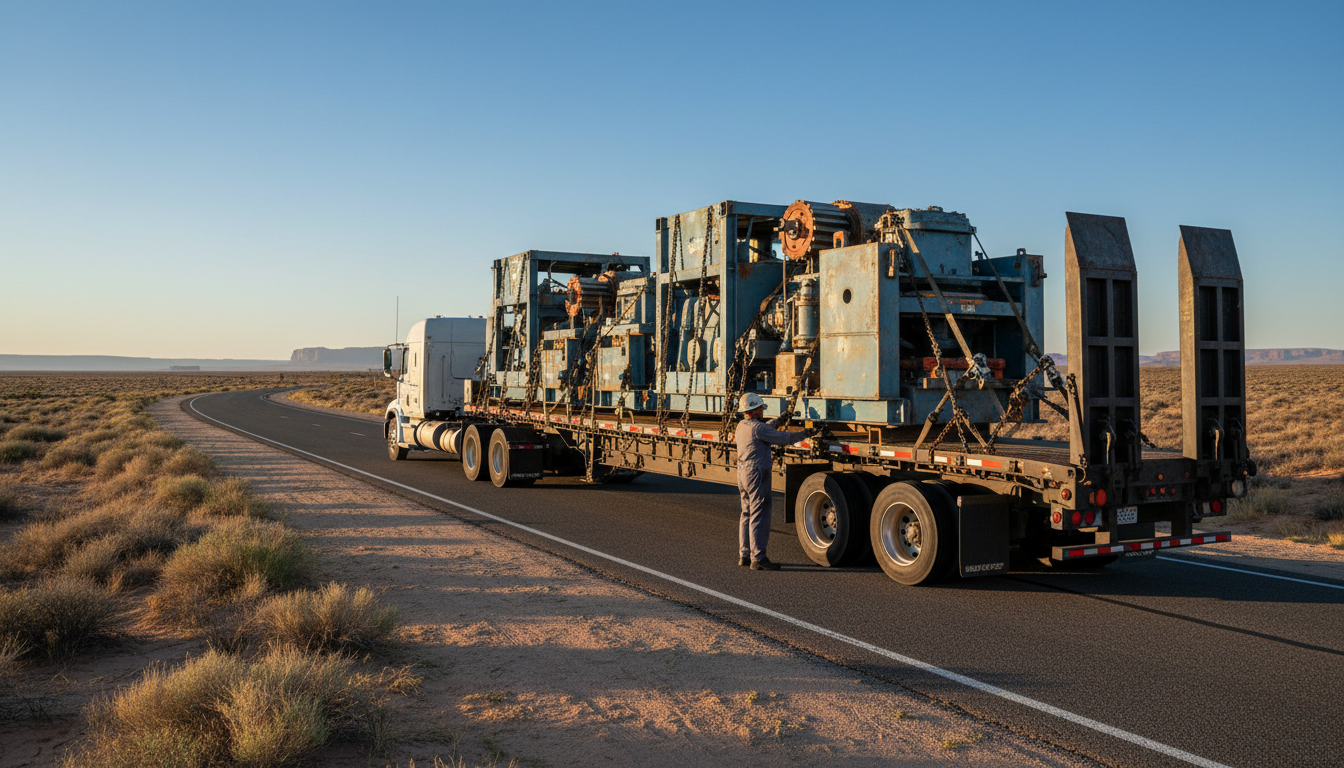
If a load exceeds standard dimensions or weight, a special permit is required. These permits are issued by the TxDOT and may involve specific travel routes and times. Obtaining the right permits is crucial for legal transportation of oversized loads.
Driver Requirements and Responsibilities
Licensing and Training
Drivers must hold a valid Commercial Driver’s License (CDL) to operate freight vehicles in Texas. Additionally, they are required to undergo specific training and maintain a clean driving record. Regular health checks are also necessary to ensure fitness for duty.
Hours of Service
The Hours of Service (HOS) regulations are in place to prevent driver fatigue. These rules limit the number of hours a driver can operate a vehicle before taking mandatory breaks. Compliance with HOS regulations is vital for safety and avoiding penalties.

Environmental and Safety Considerations
Environmental regulations are increasingly important in freight transportation. Texas enforces strict emission standards to reduce pollution. Companies must ensure their vehicles meet these standards to avoid fines and support sustainability efforts.
Safety Inspections
Regular safety inspections are mandatory for all freight vehicles. This includes checks on brakes, lights, and other critical systems. Ensuring vehicles are in top condition reduces accident risks and maintains compliance with state regulations.
Conclusion
Understanding and adhering to freight regulations in Texas is essential for any business involved in transportation. By staying informed and ensuring compliance, companies can operate efficiently and legally. Regular updates from TxDOT and professional consultations can help keep your operations on the right track.