
The Impact of Technology on Modern Trucking Services
EC
Revolutionizing Logistics: The Role of Technology in Trucking
The trucking industry has seen a significant transformation over the past few decades, largely due to technological advancements. These innovations have streamlined operations, improved safety, and increased efficiency, reshaping how goods are transported across the country. As technology continues to evolve, its impact on modern trucking services becomes even more profound.
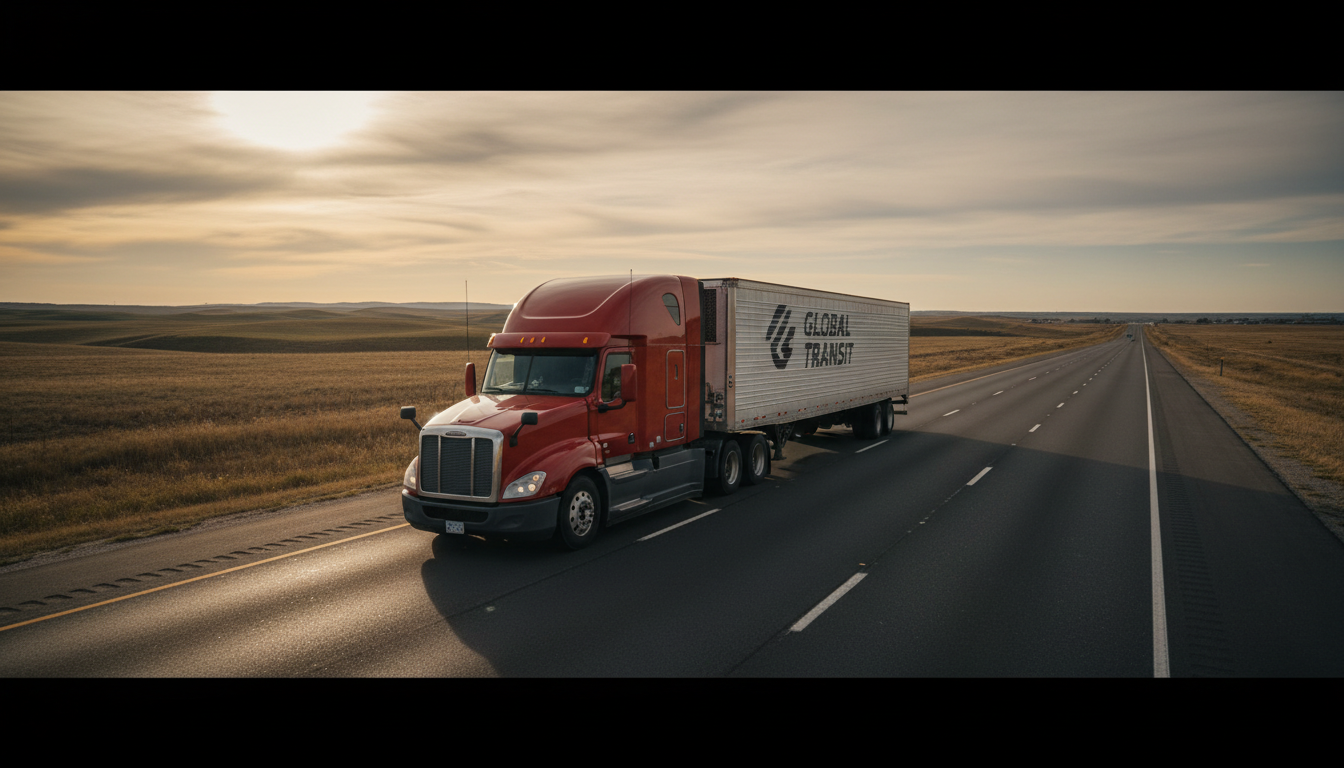
Enhanced Fleet Management
One of the most notable impacts of technology on trucking is in fleet management. Advanced telematics systems allow companies to monitor vehicle locations, fuel consumption, and driver behavior in real-time. With this data, fleet managers can optimize routes, reduce fuel costs, and improve overall operational efficiency. This level of insight was unimaginable just a few years ago.
Additionally, predictive maintenance systems use data analytics to foresee potential vehicle issues before they occur. This proactive approach minimizes downtime, ensuring that trucks spend more time on the road and less in the repair shop.

Improving Driver Safety and Comfort
Driver safety has always been a top priority in the trucking industry, and technology plays a crucial role in enhancing it. Modern trucks are equipped with advanced driver-assistance systems (ADAS) that include features like lane-keeping assist, adaptive cruise control, and automated braking. These technologies help reduce the likelihood of accidents, protecting both drivers and other road users.
Moreover, technologies focusing on driver comfort, such as ergonomic seating and climate control, contribute to better driver well-being, which is essential for maintaining focus and reducing fatigue during long hauls.

The Rise of Autonomous Trucks
Perhaps the most exciting development in trucking technology is the emergence of autonomous trucks. While fully self-driving trucks are not yet commonplace, several companies are making significant strides toward this goal. Autonomous trucks have the potential to revolutionize the industry by reducing human error, cutting labor costs, and allowing for 24/7 operations.
However, the transition to autonomous vehicles is not without challenges, including regulatory hurdles and the need for infrastructure development. Despite these obstacles, the potential benefits are driving continued investment and innovation in this area.
Challenges and Opportunities
While technology offers numerous benefits, it also presents challenges for the trucking industry. The integration of new systems can be costly, and there is a learning curve associated with adopting new technologies. Additionally, concerns about cybersecurity and data privacy must be addressed as more data is collected and shared.
On the flip side, these challenges provide opportunities for growth and improvement. By embracing technology, trucking companies can stay competitive in an increasingly digital world, offering better service to clients and improving their bottom line.

Conclusion
In conclusion, technology is reshaping the trucking industry in profound ways. From enhanced fleet management and improved safety to the promise of autonomous vehicles, the impact of technology is undeniable. As the industry continues to evolve, embracing these innovations will be crucial for companies looking to thrive in the modern logistics landscape.