
How to Prepare Your Business for Peak Shipping Seasons
EC
Understand the Importance of Peak Shipping Seasons
Preparing your business for peak shipping seasons is crucial for maintaining customer satisfaction and ensuring smooth operations. These seasons often coincide with holidays and major sales events, leading to a significant increase in order volumes. Being unprepared can result in delayed deliveries, increased customer complaints, and potential loss of revenue.
Evaluate Your Current Shipping Process
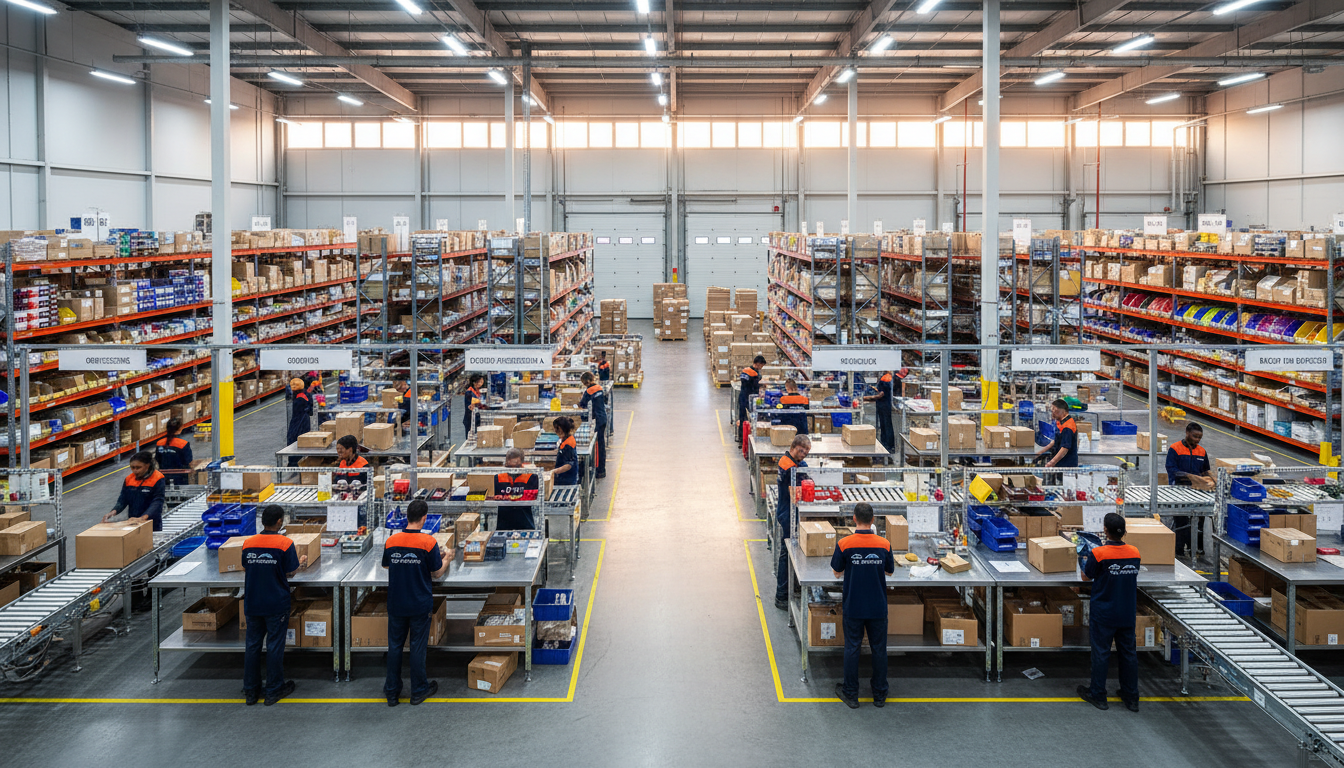
Before the peak season begins, take a close look at your existing shipping processes. Identify any bottlenecks or inefficiencies that could be exacerbated by increased demand. Consider whether your current logistics partners can handle a spike in orders or if you need to seek additional support.
Optimize Inventory Management
Inventory management is a critical aspect of preparing for peak shipping seasons. Ensure you have sufficient stock of popular items and a reliable system for tracking inventory levels. Implementing an automated inventory management system can help prevent stockouts and ensure timely restocking.

Enhance Communication with Suppliers and Partners
Maintaining open lines of communication with your suppliers and logistics partners is essential. Inform them of your anticipated order volumes and any changes in your shipping strategy. This collaboration will help ensure that everyone is aligned and prepared to meet customer expectations.
Invest in Technology
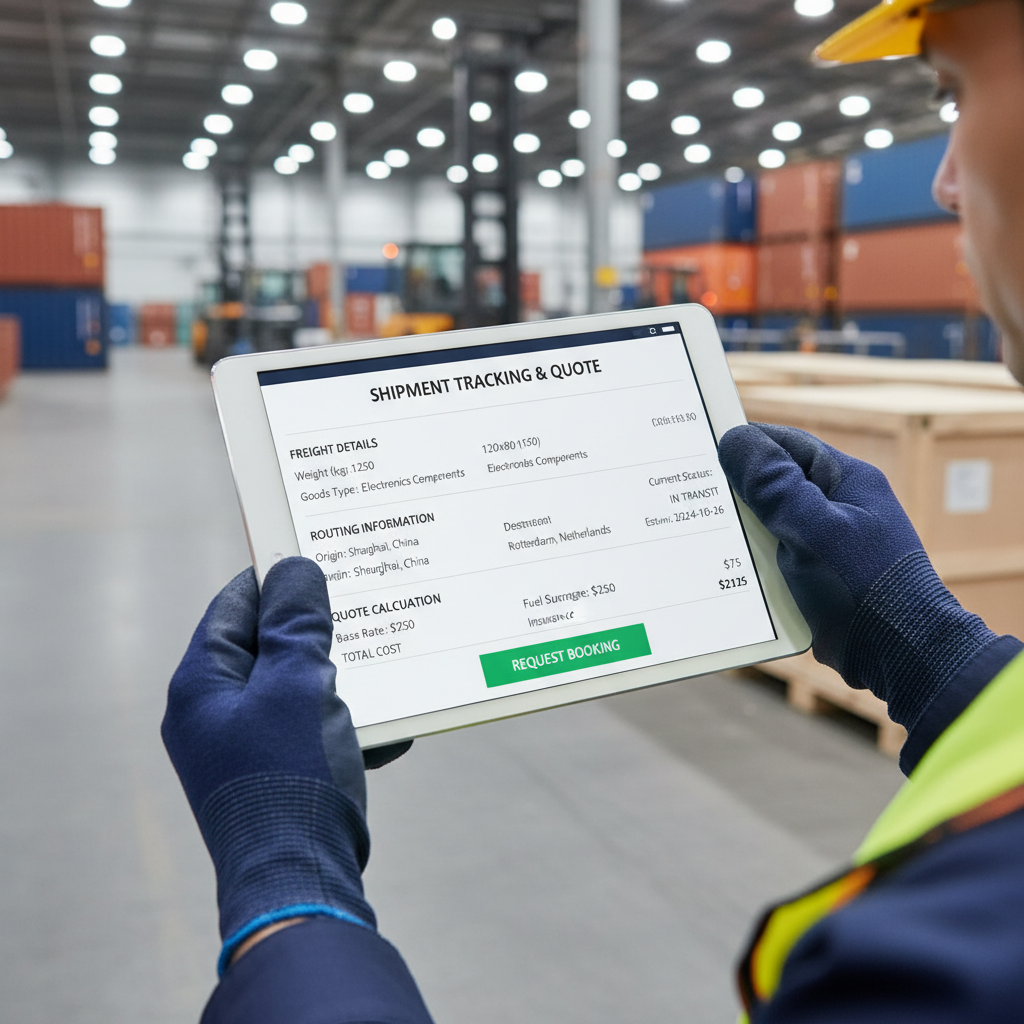
Leveraging technology can greatly improve your shipping efficiency. Consider investing in shipping software that automates label printing, package tracking, and customer notifications. This not only speeds up the process but also reduces the likelihood of errors.
Prepare Your Customer Service Team
Your customer service team plays a vital role during peak shipping seasons. Equip them with the necessary tools and training to handle an increase in inquiries and resolve issues quickly. Providing clear shipping timelines and tracking information can also reduce the volume of customer queries.
Plan for Flexibility
Despite your best efforts, unforeseen challenges can occur during peak seasons. Building flexibility into your shipping strategy allows you to adapt to sudden changes, such as supplier delays or unexpected spikes in demand. Having contingency plans can mitigate these risks.
Review and Learn from Past Seasons
Analyzing data from past peak seasons can provide valuable insights. Identify what worked well and areas that need improvement. Use this information to refine your strategies and make data-driven decisions for future peak seasons.
By taking these steps, your business can navigate peak shipping seasons more effectively, ensuring customer satisfaction and maintaining a competitive edge. Preparation and proactive management are key to turning seasonal challenges into opportunities for growth.