
FAQ: Understanding Trucking Regulations in Texas
EC
Introduction to Trucking Regulations
Understanding trucking regulations in Texas is crucial for anyone involved in the transportation industry. These laws are designed to ensure safety, efficiency, and compliance across the roads. In this guide, we will address some of the most frequently asked questions regarding these regulations.
Who Governs Trucking Regulations in Texas?
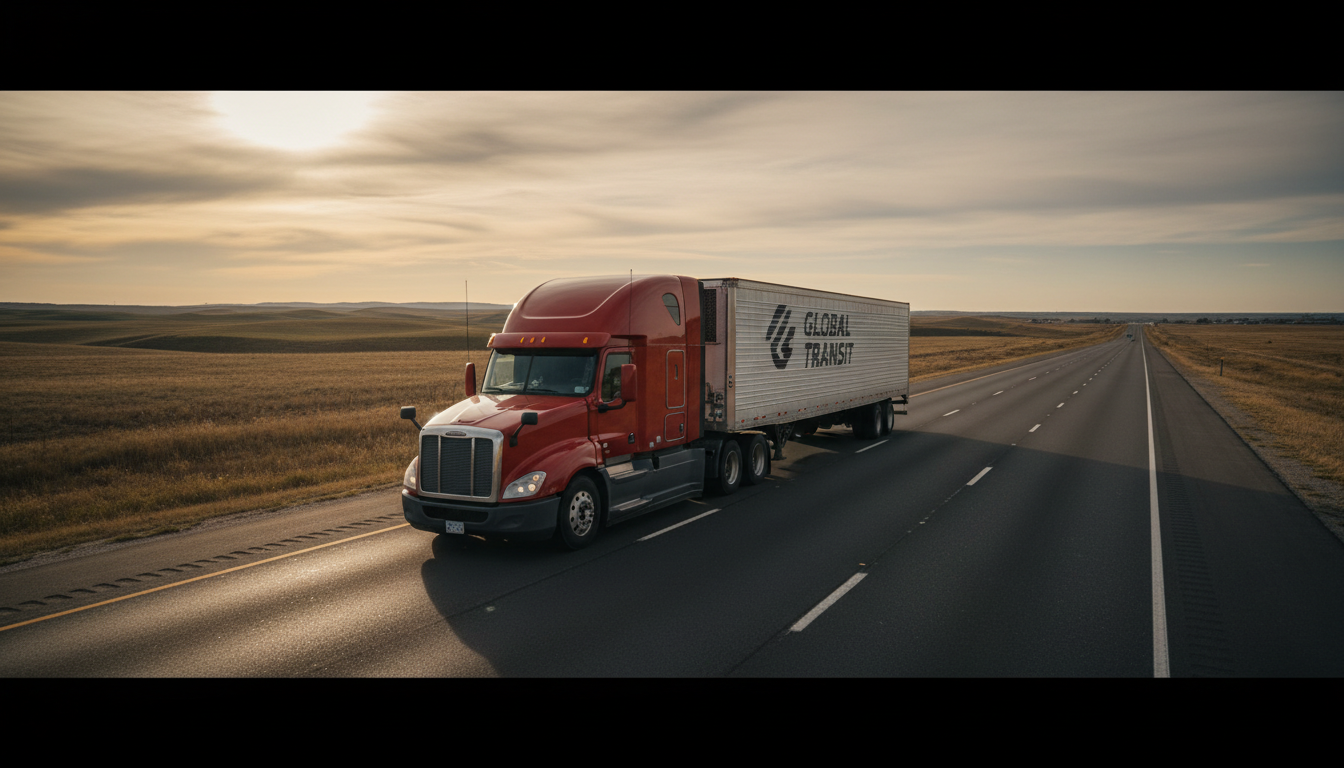
Trucking regulations in Texas are primarily governed by the Texas Department of Motor Vehicles (TxDMV) and the Federal Motor Carrier Safety Administration (FMCSA). These organizations work together to ensure that all trucking operations adhere to both state and federal laws.
Key Responsibilities
The TxDMV focuses on state-specific requirements such as registration and permitting, while the FMCSA oversees broader safety standards and regulations. It's important for trucking companies to stay updated with both to avoid penalties.
What Are the Basic Licensing Requirements?
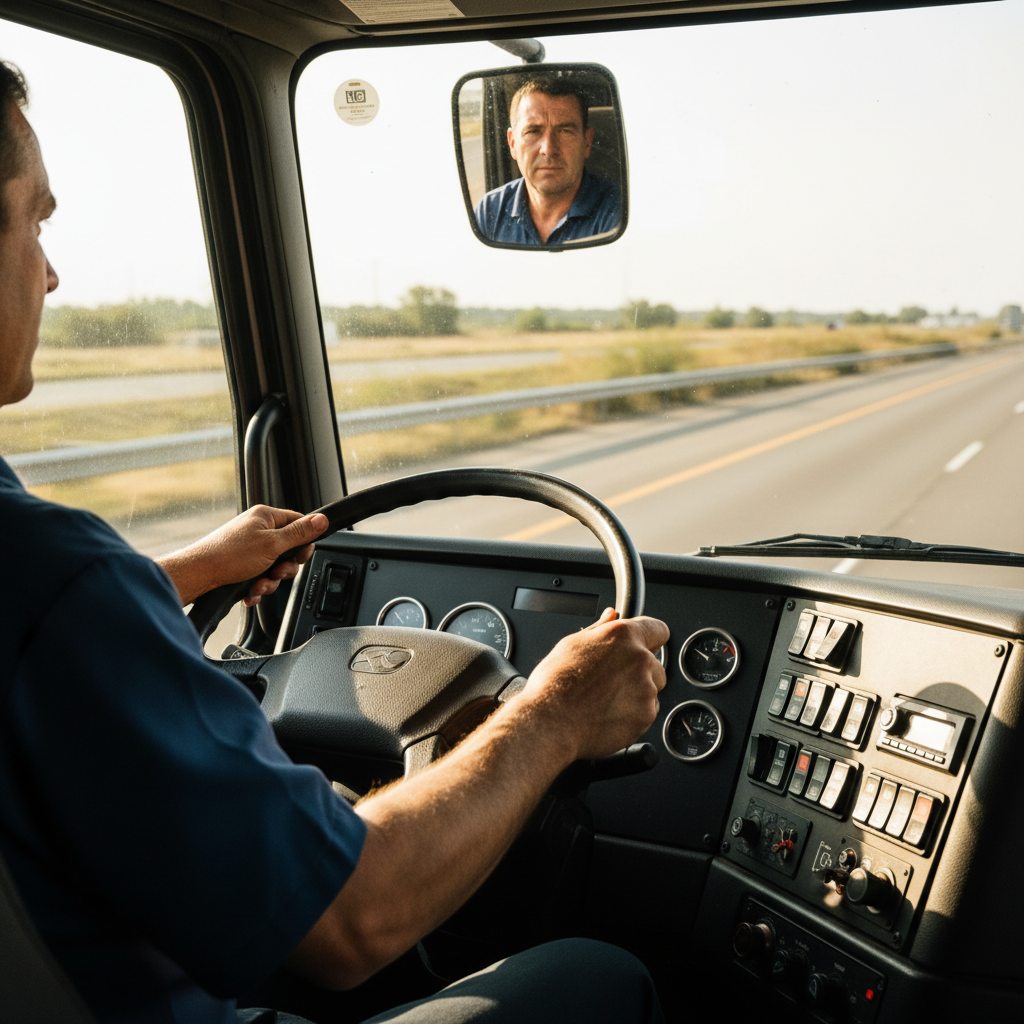
A Commercial Driver's License (CDL) is mandatory for operating commercial vehicles in Texas. Drivers must meet specific age, residency, and health requirements to obtain a CDL. Additionally, endorsements may be required for specialized vehicles or cargo, such as hazardous materials.
How to Obtain a CDL
To acquire a CDL, candidates must pass a series of knowledge and skills tests. It's advisable for drivers to enroll in a reputable training program to prepare adequately for these examinations.
What Are the Hours of Service Regulations?
Hours of Service (HOS) regulations are in place to prevent driver fatigue and ensure safety on the roads. In Texas, drivers are typically allowed to drive a maximum of 11 hours after 10 consecutive hours off duty. Understanding these rules is critical for compliance.
Tracking and Compliance
Most trucking companies use electronic logging devices (ELDs) to monitor compliance with HOS regulations. These devices help ensure that drivers adhere to the rules and maintain accurate records.
What Are the Weight and Size Limits?
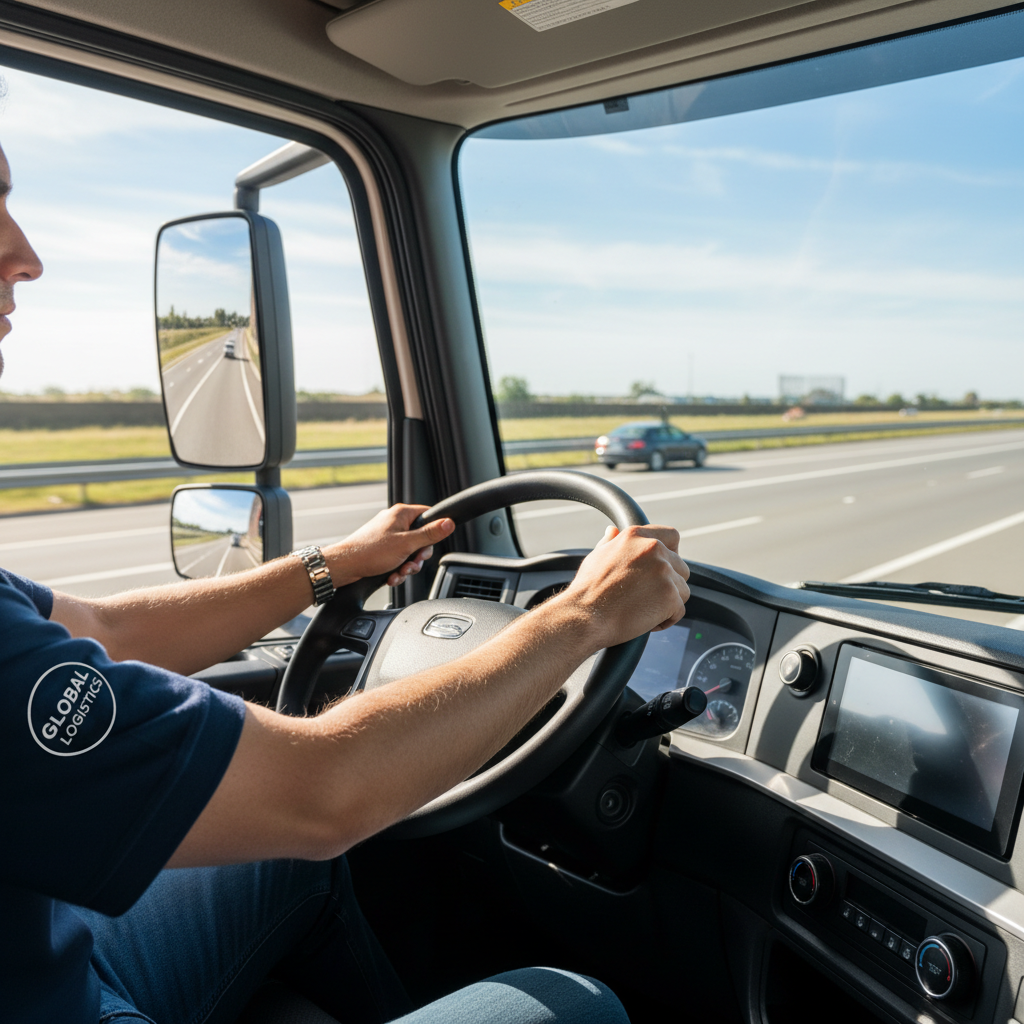
Texas has specific weight and size limits for commercial vehicles to protect the infrastructure and ensure safety. For instance, the maximum allowable weight for a standard tractor-trailer is 80,000 pounds.
Permits for Oversized Loads
In cases where vehicles exceed these limits, special permits must be obtained. These permits outline specific routes and times for travel to minimize disruption and maintain safety.
Conclusion
Navigating trucking regulations in Texas can be complex, but understanding these key areas is essential for compliance and safety. Staying informed about the latest rules and utilizing the right resources will help trucking companies operate smoothly and legally.